
An Overview of Implant-Supported Bridges
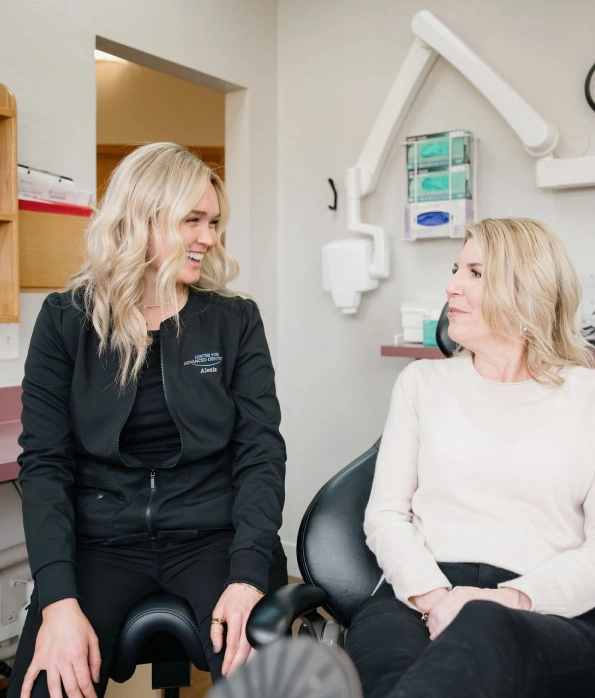
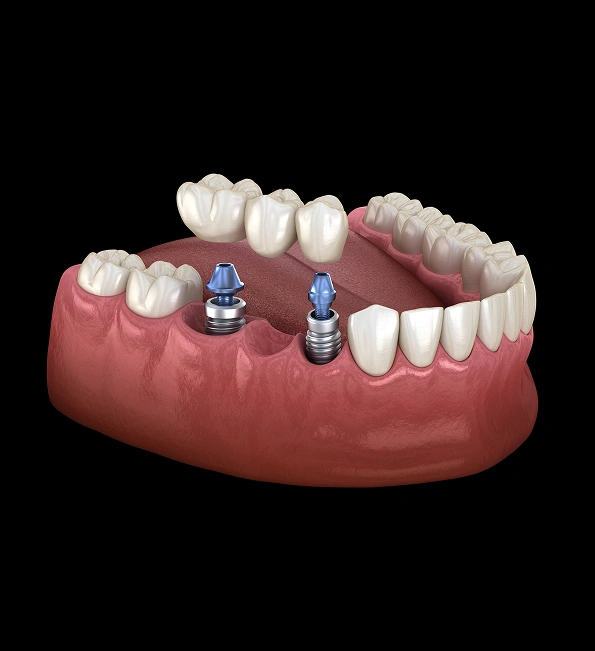
An implant-supported bridge is a durable and reliable solution for replacing multiple missing teeth in a row. Instead of relying on nearby natural teeth for support like a traditional bridge, it is anchored to dental implants placed directly in the jawbone. These implants function as artificial tooth roots, providing strong stability while also helping to reduce bone loss.
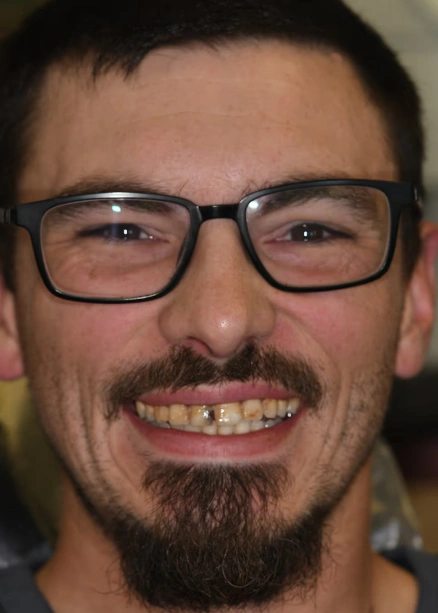
Once the implants have healed and fully fused with the bone, a custom-made bridge is attached to restore your bite, smile, and confidence. At Center for Advanced Dentistry in Loveland, CO, this treatment is ideal for patients who have lost two or more adjacent teeth and want a natural-looking, long-lasting replacement option.
Am I Eligible?
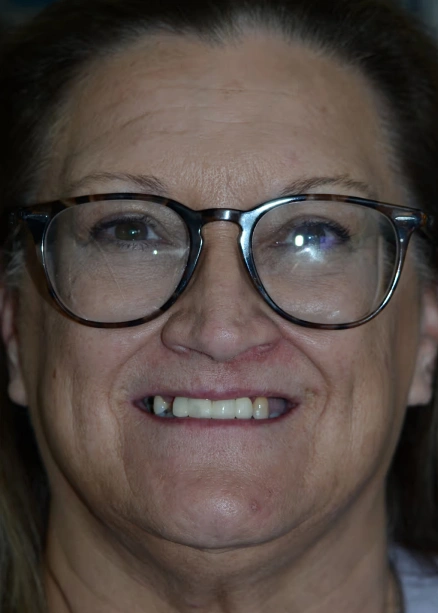
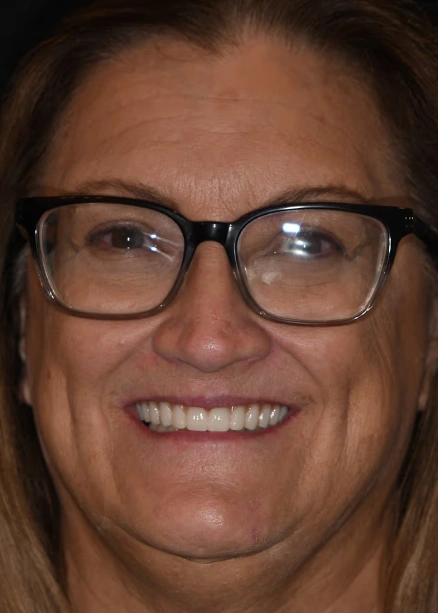
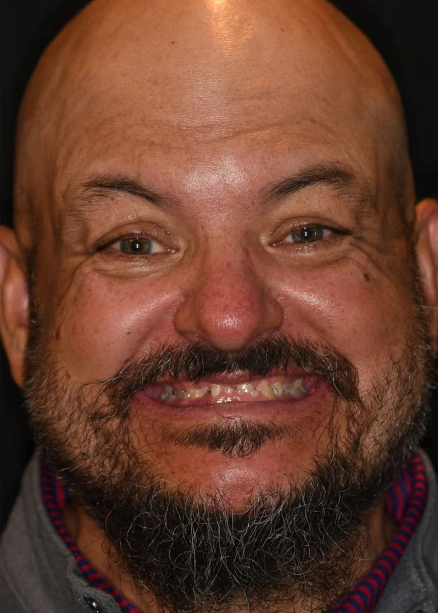
Real Patients. Real Results.
More Before & After Implants


Choosing Between Implants, Bridges, and Partials
Traditional dental bridges can be an effective way to replace missing teeth, but they are not the right solution for everyone. A traditional bridge depends on the healthy teeth on either side of the gap for support. If those neighboring teeth are not strong enough, the bridge cannot be placed in a way that provides a durable, long-term result.
Another common option is a removable partial denture, which also relies on surrounding teeth for stability. While partial dentures can replace multiple missing teeth at once, they are not fixed in place. This means they can shift or move while eating or speaking, making chewing less comfortable and limiting food choices. Over time, neither traditional bridges nor partial dentures help prevent jawbone loss. This can lead to bite changes, shifting of healthy teeth, and even additional tooth loss.
Implant-supported bridges address these concerns. With this approach, three or more missing teeth can often be replaced using two dental implants that securely anchor the bridge in place. Dental implants act like artificial tooth roots, stimulating the jawbone and helping preserve its strength and structure. This supports a more natural bite and prevents nearby teeth from shifting.
At Center for Advanced Dentistry in Loveland, CO, implant-supported bridges are valued for their long-term stability, comfort, and natural appearance. Unlike traditional bridges, which may fail if a supporting tooth develops decay, or partial dentures, which can slip or cause irritation, implant-supported bridges are designed to look, feel, and function much like natural teeth—providing a reliable and lasting solution for restoring your smile.
Who Is a Good Candidate for Implant-Supported Bridges?
An implant-supported bridge may be an excellent solution for patients who are missing multiple teeth and have healthy gums, good overall oral health, and sufficient jawbone to support dental implants. If bone loss is present, additional procedures such as bone grafting or a sinus lift may be recommended before treatment can begin.
At Center for Advanced Dentistry in Loveland, CO, ideal candidates are typically non-smokers who maintain good oral hygiene and are committed to regular dental visits. Any existing conditions such as gum disease, tooth decay, or uncontrolled diabetes must be properly treated or managed prior to implant surgery to help ensure safe treatment and successful, long-term results.
The Implant-Supported Bridges Treatment Journey
Free Consultation & Personalized Treatment Plan
Schedule your complimentary consultation where we’ll take a full CT scan of your mouth, review your medical history, and perform a comprehensive dental exam to evaluate your overall oral health. Based on this thorough assessment, our doctors will develop and explain a personalized treatment plan tailored to your needs and goals.1.
Treatment Pricing & Next Steps
We’ll review the total cost of your treatment and discuss flexible payment options to fit your budget. Our patient ambassador will provide clear, upfront pricing for your personalized treatment plan and outline a simple timeline for what to expect next.2.
Smile Design Appointment
It’s time to design your smile! Your next step is a 60–90 minute Smile Design appointment where we’ll take professional photos, help you choose the ideal tooth color and shape, and evaluate your bite and smile to recommend enhancements. After this collaborative planning session, we’ll schedule your transformation day.3.
Procedure Day
Your procedure begins with anesthesia to ensure a safe, comfortable, and pain-free experience. We remove any damaged teeth and tissue, then place your implants with surgical precision. Advanced 3D scanning and photogrammetry are used to capture highly accurate measurements for your custom prosthetic.
While you rest and recover, our on-site lab 3D prints your prosthesis. The same day—or the next—you’ll receive your full-arch implant prosthesis so you can leave with a restored smile.
4.
Recovery & Aftercare
It’s normal to experience some discomfort and mild pain during the first week after surgery. We recommend eating soft foods, getting plenty of rest, and maintaining good oral hygiene to support healing.
You’ll return for follow-up visits at one week, one month, and three months so we can monitor your recovery and ensure proper healing.
5.
Final Permanent Teeth
Around three months after your procedure, once your implants have fully fused with the bone and healing is complete, we’ll take new records and create a prototype try-in of your new teeth. This allows you to review the look and feel before final production.
After you approve the prototype, we will finalize and fabricate your permanent teeth. They will be placed approximately one to two weeks later, completing your smile restoration.
6.
Find the Right Treatment for You
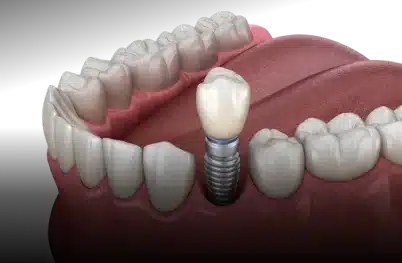
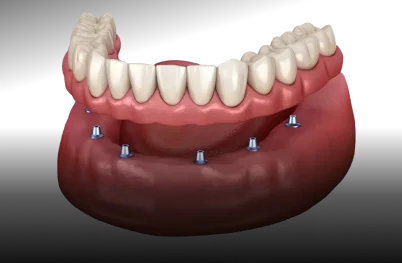
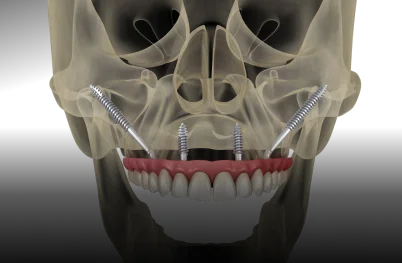
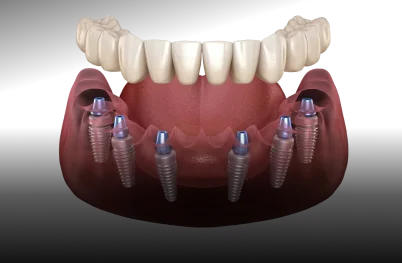
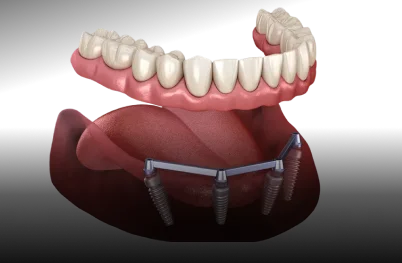
Not sure which dental implant option is best for you? At Center for Advanced Dentistry in Loveland, CO, you can explore single-tooth implants, implant-supported bridges for replacing several teeth, or full-arch solutions such as All-On-X systems that restore an entire smile using fewer implants. For patients with limited bone volume, advanced treatments like zygomatic and pterygoid implants may be recommended. Full mouth reconstruction can also combine dental implants with restorative procedures to achieve a complete, functional, and natural-looking smile transformation.
Find Out Why Patients Choose Us
While many clinics require multiple appointments and provide only limited services, Center for Advanced Dentistry in Loveland, CO delivers comprehensive dental implant care in one place, led by experienced specialists and supported by advanced technology for precise, efficient treatment.
CENTER FOR ADVANCED DENTISTRY
OTHER DENTAL CLINICS
Advanced 3D Imaging
CENTRE FOR ADVANCED DENTISTRY
OTHER DENTAL CLINICS
On-Site 3D Prosthetic Printing
CENTRE FOR ADVANCED DENTISTRY
OTHER DENTAL CLINICS
Placed 2,000+ Arches and 20,000+ Implants
CENTRE FOR ADVANCED DENTISTRY
OTHER DENTAL CLINICS
Same Day Implants / 24-Hour Implants
CENTRE FOR ADVANCED DENTISTRY
OTHER DENTAL CLINICS
On-Site Full-Time Anesthesiologist
CENTRE FOR ADVANCED DENTISTRY
OTHER DENTAL CLINICS
Pterygoid implants and solutions for limited bone
CENTRE FOR ADVANCED DENTISTRY
OTHER DENTAL CLINICS
Board-Certified Implantologists
CENTRE FOR ADVANCED DENTISTRY
OTHER DENTAL CLINICS
